
What is Backing Fabric? The Foundation Layer of Your Quilt
Backing fabric is the bottom layer of a quilt. Learn what backing fabric is, how to choose width and weight, how to piece extra-wide backings, and what longarmers need to know.
Maynard Longarm Quilting — Glossary
What is Backing Fabric? The Foundation Layer of Your Quilt
Backing fabric is the bottom layer of a quilt sandwich, sitting beneath your pieced quilt top and batting. It's typically made from cotton quilting fabric and serves both functional and aesthetic purposes—enclosing the batting, protecting your quilt top from fraying, and creating the finished back surface that people see when your quilt is displayed or used. While many quilters use a single piece of fabric for the backing, you can also piece together multiple fabrics to create a custom design. The backing needs to be larger than your quilt top to accommodate the quilting process and any shifting that occurs during stitching.
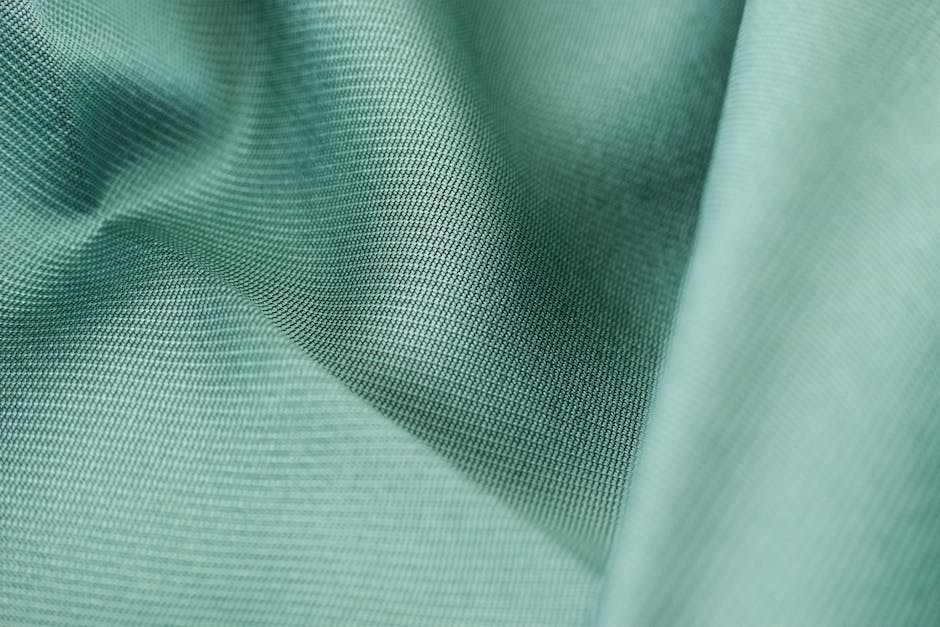 Photo by Engin Akyurt on Pexels
The Detailed Explanation
The term 'backing' simply refers to the bottom fabric layer in the three-layer quilt structure, though its importance is often underestimated by newer quilters. Historically, quilters used whatever fabric was available—often repurposed clothing or leftover scraps—but modern quilting has evolved to include specialty wide-width backing fabrics designed specifically for quilts. In longarm quilting, the backing plays a critical role: it must be large enough to attach securely to the frame without shifting, and it needs to be flat and smooth so the batting and top conform properly during stitching. The backing is what gives your finished quilt its polished appearance from the reverse side, making fabric choice and construction quality essential to the final result. Whether you choose a coordinating solid, a complementary print, or a pieced design, the backing deserves as much thoughtfulness as your quilt top.
Where You Encounter This
- A beginner quilter uses a single 45-inch-wide cotton print, piecing two lengths together to create backing for a 60-inch quilt
- A longarm customer sends in a quilt top that's 50x60 inches; Carol requires the backing to be at least 58x68 inches to safely attach to the Bernina Q24 frame
- A quilter chooses a wide-width 108-inch backing fabric to avoid seams on a large bed quilt, saving time and creating a seamless finished back
- A scrappy quilter pieces together leftover fabric strips and blocks to create a reversible backing that complements the front design
- A quilter pre-washes flannel backing fabric before assembly to prevent uneven shrinkage that could pucker the finished quilt
- A customer uses a minky or cuddle fabric for the backing of a baby quilt to add softness and weight without bulk
Related Terms
- Quilt Sandwich: The three-layer structure of quilt top, batting, and backing sewn together as one unit.
- Batting: The middle layer of padding between the quilt top and backing that adds warmth, thickness, and loft.
- Quilt Top: The front decorative layer of a quilt, typically made from pieced or appliquéd fabric blocks.
- Wide-Width Backing: Specialty fabric typically 108 inches wide, designed specifically for large quilt backings without seams.
- Pieced Backing: A backing made by sewing multiple fabric pieces together to create a custom design or pattern.
- Seam Allowance: The fabric margin (typically 1/4 inch in quilting) between the cut edge and the stitching line.
Common Misconceptions
- Backing fabric doesn't need to be quilting cotton—many quilters mistakenly use bed sheets, which have too high a thread count and are difficult to quilt through by hand or machine.
- The backing can be the same size as the quilt top—in reality, it must be at least 4 inches larger on all sides for standard machine quilting, and 8 inches larger for longarm quilting.
- Any fabric works for backing as long as it matches the front—backing requires careful consideration of weight, weave, and shrinkage to prevent puckering and ensure durability.
- Backing is purely decorative and doesn't affect the quilt's quality—a poorly constructed or undersized backing can cause frustration during quilting and compromise the finished quilt's appearance and longevity.
Carol’s Tip
When you're sending a quilt to me for longarm quilting, make sure your backing is at least 4 inches larger on all sides than your quilt top—ideally 8 inches for the Q24 frame. I always recommend using quality quilting cotton or flannel, and if you're piecing the backing, press those seams flat and trim it square before it arrives. A smooth, properly sized backing makes my job easier and your quilt turns out beautifully.
Frequently Asked Questions
Do I have to use a single piece of fabric for backing?
No, you can absolutely piece your backing from multiple fabrics. Many quilters do this to save money, use up scraps, or create a coordinating design on the back. Just make sure your seams are pressed flat and your final backing is square and the correct size. If you're matching large prints across seams, plan for extra fabric.
What's the difference between regular fabric and quilting cotton for backing?
Quilting cotton is specifically woven for quilting projects—it's durable, has a consistent weave, and is easy to stitch through by hand or machine. Regular fabric, especially bed sheets, often has a much higher thread count that makes it difficult to quilt through and can cause needle breakage. Stick with quilting-quality cotton for best results.
How much larger does backing need to be than the quilt top?
For standard machine quilting, your backing should be at least 4 inches larger on all sides (8 inches total in width and height). For longarm quilting, it's recommended to be 8 inches larger on all sides (16 inches total) so the backing can be securely attached to the frame without shifting during quilting. Always check with your longarm quilter for their specific requirements.
Can I use flannel or minky for backing?
Yes, flannel and minky are popular backing choices, especially for cozy quilts and baby projects. Flannel adds warmth and a classic feel, while minky provides softness and weight without bulk. The key is to pre-wash flannel before assembly to prevent uneven shrinkage, and to handle minky carefully during quilting since it's stretchy and can pucker if pulled too tight.
Have a quilt ready for longarm quilting?
Carol & Leo can stitch your quilt with edge-to-edge or custom designs.
Get Your Free QuoteReady to Send Your Quilt?
Free online quote in under a minute. Choose your batting, thread, and pantograph design — we'll confirm pricing and walk you through the mail-in process.
Get a Free Quoteor call (610) 755-1057